
How Driving Style Impacts Porsche Wear and Maintenance Needs?
- Peter Thompson
- May 27
- 8 min read
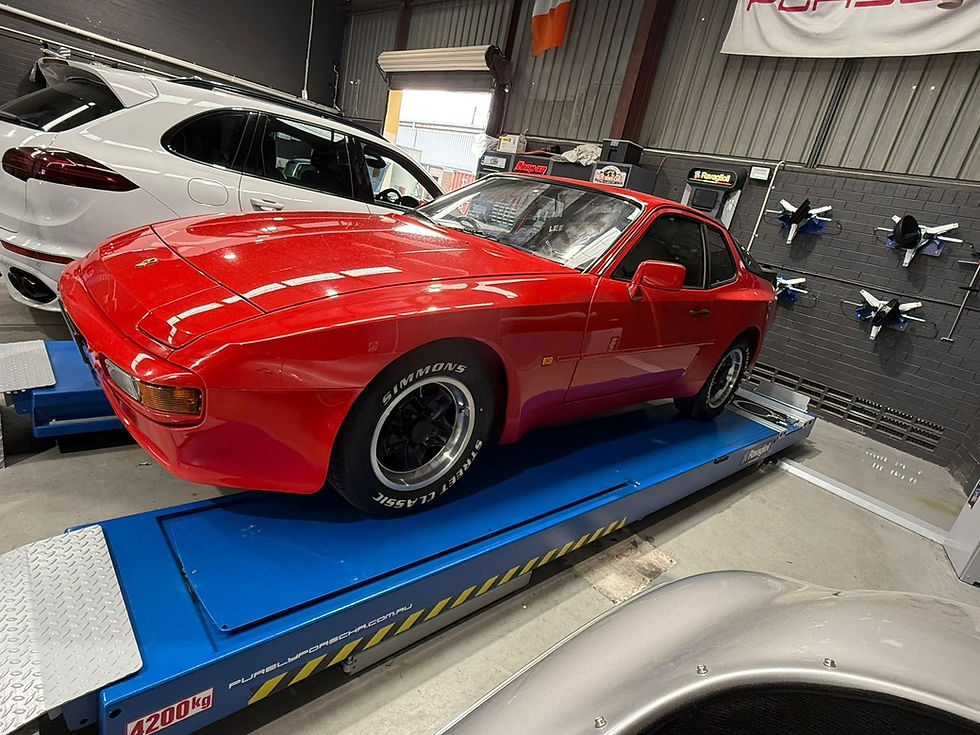
A Porsche is built to perform, but how you drive one determines how quickly its components wear down and how much you spend keeping it in top shape. Porsche driving style effects go beyond simple tyre scuffing.
Every habit behind the wheel creates a chain reaction across the engine, transmission, brakes, suspension, and cooling system. Whether you drive hard on open roads or commute in stop-start traffic, your approach shapes the maintenance schedule your car will need.
Why don’t we break down exactly which components take the hit, how they wear differently depending on your habits, and what you can do to keep costs manageable?
How Driving Style Impacts Porsche Engine, Transmission, and Brake Wear
Understanding how core systems respond to different driving behaviours helps explain why maintenance needs can vary so widely.
Engine Wear and High-RPM Stress
The connection between driving behaviour and component wear is direct. Porsche driving style effects show up fastest in the three most heavily loaded systems: the engine, transmission, and brakes.
Engine wear is closely tied to how often and how hard you push into the rev range. Sustained high-RPM driving raises oil temperature, accelerates wear on piston rings, and shortens the interval between oil changes.
Cold starts followed immediately by aggressive throttle input are particularly damaging because the oil has not yet reached operating temperature and cannot coat bearing surfaces properly.
Transmission Strain from Driving Habits
The transmission suffers when gear changes are rough or poorly timed. On manual variants, riding the clutch or short-shifting under load puts strain on the clutch disc and pressure plate.
On PDK-equipped models, aggressive launch control use and repeated hard shifts generate heat inside the dual-clutch unit, which degrades transmission fluid faster than normal use.
Brake Wear Under High Load
Brakes carry the most obvious penalty. Repeated heavy braking from high speed generates temperatures that warp rotors, cook brake fluid, and eat through pads at several times the normal rate.
Track days or mountain runs with sustained downhill braking can require a full brake service after a single outing.
What Are The Effects of Aggressive Driving on Porsche Components?
Beyond the obvious wear on brakes and tyres, aggressive driving places cumulative stress on multiple interconnected systems.
Cooling System Under Thermal Stress
Aggressive driving's impact on Porsche components spreads well beyond what most owners expect. The common focus lands on brakes and tyres, but the stress radiates through nearly every system.
The cooling system works harder under aggressive use. Sustained high-speed driving raises coolant temperature, and repeated hard acceleration with brief cooling periods can push radiator and intercooler capacity to its limits.
Over time, this can cause coolant hoses to soften and weaken, particularly on older models.
Mounts and Structural Stress
Engine mounts and gearbox mounts absorb vibration and torque loads. Aggressive driving impacts on Porsche mounts means they wear and crack sooner, leading to vibration at idle and imprecise gear selection. Replacing mounts is straightforward, though if left too long, the stress transfers to adjacent components.
Exhaust System Wear
The exhaust system experiences greater thermal cycling on a car driven hard. Manifold cracks and oxygen sensor failures appear earlier on vehicles with a history of sustained track or spirited road use.
Exhaust gaskets are also more prone to leaking when the system has been repeatedly heat-stressed.
Wear on Smaller Components
Even small components like spark plugs and fuel injectors wear faster under aggressive use. High combustion temperatures erode plug electrodes, and injectors running at high duty cycles accumulate deposits more quickly.
What is The Impact on the Engine, Transmission, and Brakes?
A deeper look at these systems highlights why standard service intervals often fall short for performance-driven usage.
Engine Oil Degradation
A closer look at each of these three systems shows why the service intervals on a hard-driven Porsche cannot simply follow the standard schedule.
Engine oil in a Porsche driven aggressively breaks down faster because of higher sustained temperatures. Shearing of the oil film under high load also reduces viscosity more quickly than in a lightly driven car.
For owners who push their engine regularly, switching to a shorter oil change interval and using a high-quality, fully synthetic oil rated for high-performance use is a practical response.
Transmission Fluid Breakdown
Transmission fluid in a PDK unit should be checked more frequently on a car with a hard driving history. The fluid carries heat away from clutch packs and lubricates the internal gear sets. Degraded fluid causes slower, rougher shifts and, in severe cases, leads to clutch pack wear that is costly to repair.
Brake Fluid Performance and Safety
Brake fluid absorbs moisture over time, which lowers its boiling point. In a car used for spirited driving, the fluid reaches higher temperatures in normal use.
Moisture contamination at those temperatures causes vapour lock, which results in a sudden loss of pedal feel at exactly the wrong moment. Annual brake fluid changes are standard practice for any Porsche driven with enthusiasm.
Tyre and Suspension Wear from Driving Habits
These components provide the most visible evidence of how a Porsche is driven, often revealing patterns of stress and imbalance.
Tyre Wear Patterns
Tyres and suspension components reflect driving habits more visibly than any other part of the car. Porsche driving style effects on tyres depend on the mix of cornering aggression, braking force, and acceleration style.
Aggressive cornering generates lateral forces that scrub the tyre shoulder. Repeated hard acceleration from low speeds creates flat spots and accelerated centre tread wear, particularly on rear-wheel-drive models. Late braking scuffs the front contact patch.
A car driven hard in this way can wear a set of performance tyres in under 10,000 km, where the same tyres on a gently driven car would last three times that distance.
Suspension Component Wear
Suspension geometry changes as components wear. Ball joints, control arm bushings, and tie rod ends all have a service life that shortens under aggressive use.
When they wear, they allow the wheel to move out of its intended alignment, which causes uneven tyre wear and reduces steering precision.
This creates a cycle where worn suspension accelerates tyre wear, and worn tyres increase the stress on suspension components.
Shock Absorber Fatigue
Shock absorbers lose their damping ability faster when subjected to repeated hard impacts and rapid weight transfers. On a Porsche with adjustable suspension, drivers who keep the car in its stiffest setting for road use accelerate bushing wear while also transmitting more shock energy to the chassis.
How Driving Style Influences Porsche Maintenance Needs?
Maintenance schedules should reflect real-world usage rather than relying solely on factory recommendations.
Adjusting Service Intervals
The standard factory service intervals assume a broadly normal driving pattern. Aggressive driving's impact on Porsche maintenance means those intervals often need to be shortened, and some items need to be added to the schedule entirely.
Oil changes on a hard-driven Porsche should move from the standard annual or 10,000 km interval down to every 7,500 km or six months, whichever comes first.
Transmission fluid, often listed as a lifetime fill on modern models, should be inspected and changed every 40,000 to 60,000 km on cars with a demanding driving history.
Fluid and Cooling System Checks
Coolant condition should be checked annually rather than at the standard 40,000 km service. The same applies to brake fluid. Both degrade faster under thermal stress, and both are cheap to replace compared to the components that fail when they are left too long.
Tyre and Alignment Maintenance
Tyre rotation becomes more relevant on a hard-driven Porsche because wear is less even. Front tyres on a rear-wheel-drive model wear from cornering and braking while the rears wear from acceleration, but aggressive driving amplifies the difference significantly. Checking alignment every 20,000 km or after any hard kerb contact keeps wear patterns consistent.
Spark Plugs and Turbo Components
Spark plugs should be replaced at or before the recommended interval on a car used for spirited driving. On turbocharged models, the intercooler and boost pipes deserve a check for cracks and loose connections at each service, since heat cycling weakens the rubber components over time.
What Are The Tips to Minimise Wear Through Smart Driving?
Small, consistent changes in driving habits can significantly reduce wear without compromising performance.
Warm-Up and Cool-Down Practices: Allow the engine to reach operating temperature before driving aggressively, and avoid sudden heavy braking after fast runs to let components cool gradually and reduce wear.
Smarter Driving Techniques: Use engine braking before the brakes. On downhill sections, selecting a lower gear reduces the load on the brakes and keeps temperatures lower.
Routine Checks for Longevity: Check tyre pressures weekly if the car is driven hard. Correct pressure reduces heat build-up and keeps the contact patch shape correct.
Turbocharger Care: On turbocharged models, let the engine idle for a minute or two after a hard run before switching off. This allows oil to continue circulating and cooling the turbocharger before the oil pump stops.
Maintenance Discipline: Service the car on a schedule matched to how it is actually driven, not the standard interval. A car used for two track days a year and regular spirited road driving needs more frequent attention than one that covers 10,000 km of gentle commuting.
Choosing Trusted Porsche Servicing in Perth for Maintenance and Repairs
The right specialist can make a significant difference in identifying wear early and tailoring maintenance to your driving style.
For Perth owners, finding a workshop that understands the specific demands of performance-oriented driving makes a real difference to long-term ownership costs.
Trusted Porsche servicing in Perth means working with technicians who know which components carry the highest risk under aggressive use and can adapt service schedules accordingly.
A good specialist like Purely Porscha will ask about how the car is used before recommending a service plan. Track use, regular spirited road driving, and daily commuting all create different wear patterns, and the maintenance approach should reflect that.
Technicians who only follow the manufacturer's schedule without considering actual use habits may miss early signs of wear that a hands-on Porsche specialist would catch.
When selecting a workshop, look for Porsche-specific experience, access to genuine or OEM-grade parts, and transparent pricing. For owners whose cars show the effects of a more aggressive driving history, a full inspection covering oil condition, brake wear, tyre health, and suspension components is a practical starting point.
For anything from a routine oil change to a full drivetrain inspection, Porsche maintenance and repair from a dedicated specialist gives you the confidence that the work is done by people who understand these cars in detail.
The Bottom Line
Porsche driving style effects are real, measurable, and manageable. The engine, transmission, brakes, tyres, and suspension all wear faster when the car is driven hard, but the rate of wear depends heavily on how informed the driver is and how well the maintenance schedule matches actual use.
Aggressive driving's impact on Porsche running costs does not have to be severe if service intervals are adjusted, fluid changes are kept current, and the car is looked after by technicians who know what to look for. Drive the car the way it was built to be driven, then back that up with the maintenance approach it actually needs.
FAQ
How does aggressive driving impact Porsche maintenance?
Aggressive driving raises operating temperatures across the engine, brakes, and transmission, which shortens the effective life of fluids, pads, tyres, and mechanical components. Standard service intervals no longer apply and need to be shortened to match actual use.
Which Porsche components wear faster due to driving style?
Brakes wear fastest under repeated hard stops. Tyres wear quickly from aggressive cornering and acceleration. Engine and transmission fluids degrade sooner under high-temperature use. Suspension bushings, engine mounts, and exhaust components also have a shorter service life under aggressive use.
How often should a Porsche be serviced if driven aggressively?
Oil changes should move to every 7,500 km or six months. Brake fluid should be changed annually. Transmission fluid should be inspected every 40,000 to 60,000 km rather than treated as a lifetime fill. Tyre alignment should be checked every 20,000 km or after any significant impact.
Can careful driving extend the Porsche engine and brake life?
Yes. Allowing the engine to warm before heavy use, avoiding hard braking at operating temperature, using engine braking on descents, and maintaining correct tyre pressure all reduce the rate of wear noticeably. Careful driving can significantly extend the service life of these components.
Where to find trusted Porsche servicing in Perth?
Purely Porsche offers specialist servicing and repairs for Porsche owners across Perth. Their technicians understand the specific demands of performance driving and can tailor service schedules to match how each car is actually used.


